Every portal drifts. A growing team typically adds three to five workflows a quarter, and after eighteen months there's more automation than any one person can hold in their head. That's a healthy sign your business moved, not a failure of setup. We spend a week inside your instance to learn what each layer was protecting, then rebuild only the parts that need to be trusted again.
No rip and replace. No four month re-architecture. Your history stays, your integrations stay, and reps keep working through the change.

Portals drift because businesses grow. One of these four scenes is what usually brings a founder or Head of Revenue to this page. Pick the one that felt closest.
Every finding tied to a symptom your team already feels. No jargon, no shame list.
Broken dashboards usually mean broken data. We chase things to the root, then rebuild them once.
No migrations, no rip-and-replace. We work inside the portal you already run.
Playbooks, loom walkthroughs, and a runbook so nothing quietly drifts again.
We audit every layer before we touch a workflow. Fixes at the top never hold if the layers underneath are still cracked.
Not a rip-and-replace. Not a four-month re-architecture. Scroll the four weeks and watch the workflow count fall, dedupes resolve, and the dashboards start agreeing again.
A week inside the portal, not around it. We inventory every workflow, property, dashboard and integration. Nothing gets deleted yet. The goal is a shared, honest map of what's actually running.
Every finding gets sorted into rebuild, tune, or retire. You see the severity, the effort, and the risk before we touch a thing. This is where you sign off on scope, not the first phone call.
The pipeline, properties, workflows, and reports that decide every leadership meeting get rewritten. History stays intact. Reps keep working, in the same portal, through the change.
Runbooks, governance rules, and a 30-day support runway. The portal now belongs to you again, and there's a documented reason for every choice in it.
Every optimization ends with the same six documents. They live in your Notion, they're written so the next hire can read them, and they're specific to your portal, not a template.
The audit becomes a single Findings document. Symptom, root cause, severity, and the fix we recommend. Your leadership team reads it, picks the scope, and signs. Then we rebuild.
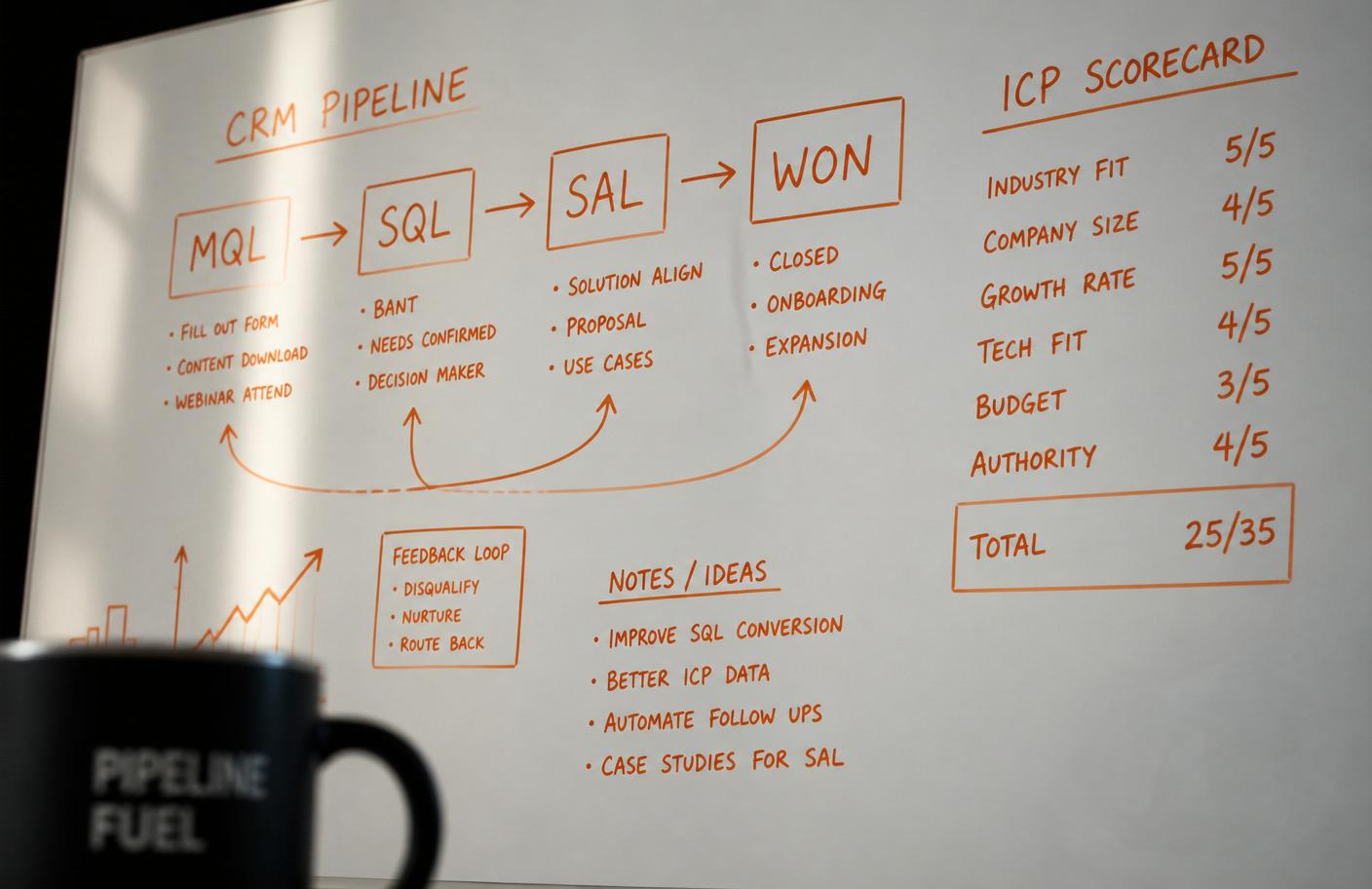
No. Optimization happens inside your existing portal. We clean, restructure and rebuild, but every record, activity and note stays where it is.
For most portals, yes. Very large tenants or ones with heavy custom code sometimes need 6, we'll flag that in the audit and scope honestly before you commit.
One executive sponsor, one ops lead, and around 3 hours a week from your GTM leaders. Reps get pulled in only for the walkthroughs at the end.
Yes. We often run alongside internal ops teams and hand back to them. If you have an agency in place, we scope around their work, not over it.
You get 30 days of support to shake out issues. After that, most teams roll into HubSpot as a Service so the system keeps getting cared for.
Start with an audit. If we don't find things worth fixing, we'll say so. If we do, you'll get a Findings document that reads like a plan.